The Monetary Impact of Electronic Waste Recycling: Jobs, Innovation, and Sustainable Development
E-waste recycling presents a wide range of economic benefits, impacting employment growth and technological progress. As the global demand for e-waste management grows, communities stand to benefit from increased employment and innovative solutions. Additionally, this industry serves a critical function in advancing environmental sustainability. Nevertheless, the challenges surrounding effective e-waste recycling bring critical questions about policy support and community engagement to the forefront. Which approaches can strengthen these initiatives and amplify their overall impact?
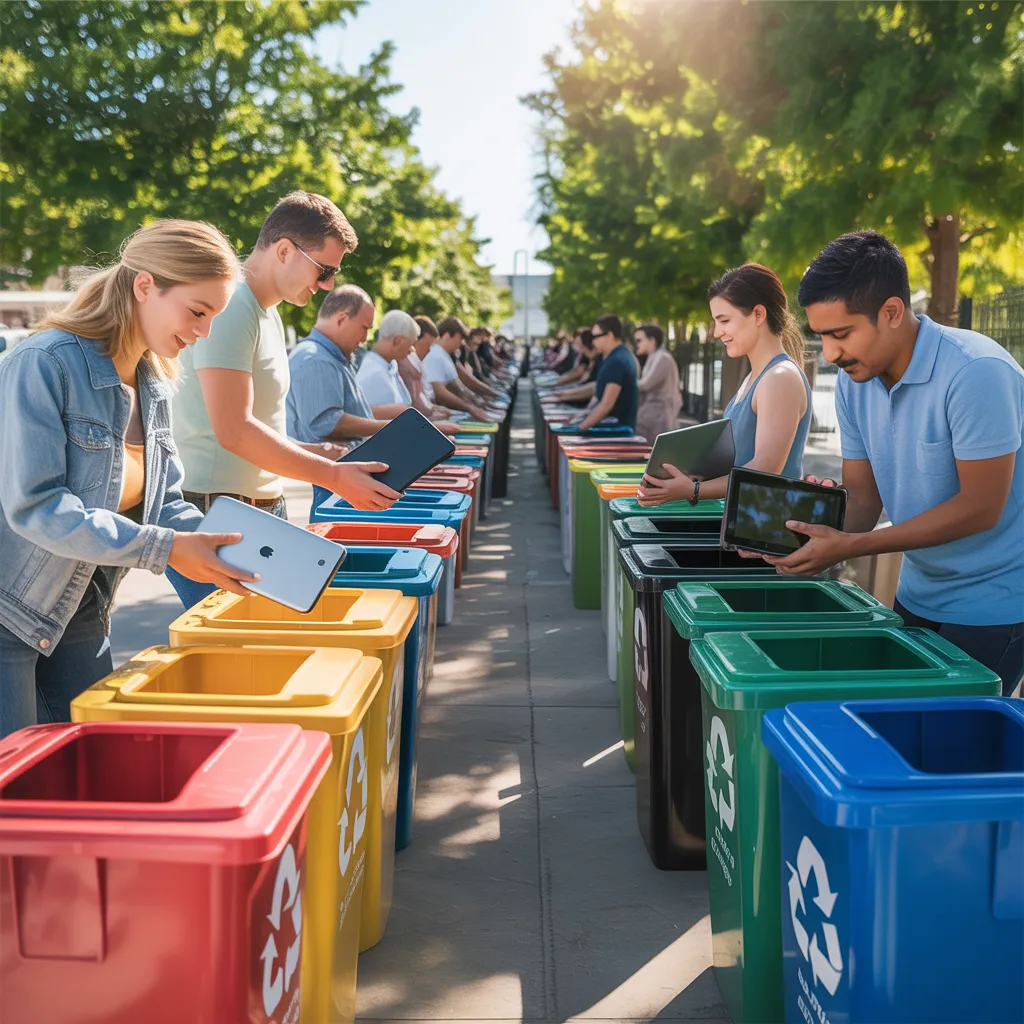
The Rising Problem of Digital Waste: Comprehending the Issue
As technology rapidly advances, the issue of electronic waste, commonly referred to as e-waste, has escalated into a significant global crisis. Countless tons of discarded electronics, such as appliances, smartphones, and computers, are created each year, contributing to environmental degradation. Numerous consumers remain uninformed about the dangerous substances contained in these devices, including mercury, cadmium, and lead, which can contaminate soil and water sources, presenting grave risks to public health.
The improper disposal of e-waste frequently results in unofficial recycling procedures, where informal workers break down equipment lacking sufficient safety protocols. This not only worsens the health hazards but also undermines effective recycling efforts. Globally, only a fraction of e-waste is recycled appropriately, revealing a significant deficiency in awareness and infrastructure. Tackling this issue demands a unified effort from governments, industries, and consumers to encourage responsible waste management and improve recycling frameworks, ensuring a more sustainable future.
Economic Benefits: How E-Waste Recycling Creates Jobs
Electronic waste recycling plays a significant role in job creation, with statistics showing a rise in employment opportunities in this sector. It also fosters skill development, equipping workers with valuable expertise in technology and environmental management. Furthermore, the growth of recycling facilities can stimulate local economies, driving investment and supporting community development.
Employment Generation Data
The processing of e-waste is capable of creating thousands of jobs in multiple industries. A report from the Global e-Sustainability Initiative estimates that for every role established in e-waste recycling, at least 1.17 additional jobs are created in supporting sectors, like logistics and manufacturing. Moreover, the U.S. Environmental Protection Agency anticipates that enhancing recycling activities could create approximately 1.17 million new jobs by 2030. These positions range from gathering and handling to restoring and remarketing refurbished electronics. Beyond this, regional economies gain advantages as these positions frequently offer above-minimum-wage compensation while fostering community involvement. Ultimately, the electronic waste recycling industry functions as a major catalyst for job creation, advancing eco-friendly initiatives while tackling environmental challenges.
Career Development Opportunities
Investing in e-waste recycling not only tackles environmental challenges but also encourages considerable skill development prospects. The industry requires a wide range of skills, from technical expertise in dismantling electronic devices to knowledge of environmental regulations. Training programs can equip workers with fundamental skills, enhancing their job readiness in a developing industry. Moreover, alliances with learning centers can support hands-on learning experiences, bridging the gap between academic knowledge and hands-on practice. As workers gain proficiency in areas such as electronic restoration, data recovery, and dangerous materials processing, they contribute to a more environmentally responsible economy. In the end, these professional development efforts uplift participants while supporting the continued expansion and advancement within the e-waste recycling sector.
Local Economic Growth
Repurposing electronic waste not only enhances skill development but also stimulates regional economic expansion by creating numerous job opportunities. The e-waste recycling industry demands a varied labor pool, from technicians to logistics personnel, thus creating jobs at multiple skill levels. Local businesses benefit from increased demand for e-waste collection, processing, and refurbished material resale services. This activity fosters entrepreneurship, as new companies emerge to cater to the growing needs of the sector. Moreover, the financial boost produces increased tax revenues for city administrations, facilitating further funding of essential community programs. As the industry expands, it encourages innovation in recycling technologies, further enhancing local economic resilience and sustainability. Overall, e-waste recycling serves as a catalyst for extensive local economic growth.
Advanced Technologies Revolutionizing E-Waste Recycling
Next-generation technologies are revolutionizing the e-waste recycling sector through cutting-edge sorting technologies and automated workflows. These breakthroughs strengthen effectiveness and consistency in reclaiming useful components from electronic waste. Incorporating robotic systems additionally optimizes operations, lowering workforce expenses and ecological footprint.
Advanced Separation Techniques
Revolutionizing the e-waste recycling industry, innovative separation technologies harness innovative technologies to precisely reclaim valuable materials from discarded electronics. Processes like hydrometallurgy, pyrometallurgy, and state-of-the-art mechanical procedures enable recyclers to extract metals like gold, silver, and copper with high precision. In addition, the use of sensor-enabled separation systems allows for the quick detection of various materials, enhancing the accuracy of separation. These technologies not only decrease material waste but also considerably diminish the environmental impact associated with standard recycling practices. By maximizing the recovery of valuable materials, advanced separation techniques contribute to a circular economy, fostering sustainability and resource conservation. Ultimately, these developments bolster the economic viability of e-waste recycling, generating employment prospects while fostering innovation in the sector.
Robotics Integration and Automation
Incorporating automation and robotics into e-waste management redefines the efficiency and effectiveness of materials reclamation. Automated solutions can swiftly detect and categorize diverse materials, greatly reducing manual labor and reducing manual errors. Sophisticated robotics powered by AI technology improve the exactness of disassembling intricate devices, facilitating higher recovery rates of precious components such as circuit boards and metals. This technological integration not only accelerates the e-waste recycling process but also decreases operating costs, making e-waste recycling more financially sustainable. Moreover, automation enables improved workplace safety by reducing exposure to dangerous materials. As these technologies evolve, they stand to accelerate advancements in recycling techniques, promoting a highly sustainable framework to electronic waste management and material recovery.
How E-Waste Recycling Promotes Sustainability
With electronic waste growing at an alarming rate worldwide, the significance of recycling stands out as a essential solution for advancing sustainable practices. Recycling electronic waste reduces environmental damage by keeping dangerous materials out of landfills, thereby limiting contamination of soil and water. By recovering precious metals and parts, recycling helps conserve natural resources, minimizing the demand for new material extraction. This process not only decreases energy use but also minimizes greenhouse gas emissions linked to the production of new goods.
Moreover, e-waste recycling Find now promotes a resource-efficient economy, supporting the recirculation of materials and maximizing the longevity of electronic equipment. This transition works to reduce the negative impacts of fast-paced technological advancement and consumer-driven waste. As businesses and communities embrace e-waste recycling, they contribute to a more sustainable future, advancing the vitality of our natural environment while encouraging mindful resource use. Consequently, e-waste recycling stands as an essential component in the pursuit of sustainability in our rapidly evolving digital landscape.
How Policies Can Help E-Waste Recycling Efforts
The success of e-waste recycling initiatives copyrights considerably on the implementation of effective policies. Governments are instrumental in establishing regulatory frameworks that promote the responsible management and recycling of electronic devices. Initiatives such as extended producer responsibility (EPR) can encourage manufacturers to design products with recyclability in mind, thus minimizing the production of electronic waste. Moreover, financial support for recycling efforts can eliminate challenges for individuals and businesses, encouraging participation in recycling efforts.
Furthermore, public outreach programs supported by regulatory frameworks can educate communities about the environmental and economic benefits of e-waste recycling. Implementing comprehensive guidelines for e-waste collection and processing can boost operational efficiency and secure that dangerous substances are processed safely. By building a unified regulatory framework that prioritizes responsible e-waste management, governing bodies can stimulate job creation, support breakthroughs in sustainable recycling methods, and promote sustainable financial progress.
Community-Driven Strategies That Maximize E-Waste Recycling's Economic Benefits
Community efforts considerably bolster the economic impact of e-waste recycling by promoting neighborhood participation and consciousness. Initiatives such as local collection campaigns and informational seminars not only inspire residents to recycle but also develop a sense of shared responsibility. Neighborhood associations regularly team up with recycling providers, enhancing accessibility and convenience for community members.
In addition, these collective community actions can create jobs, from collecting and organizing to processing e-waste. By advancing eco-friendly methods, local communities can boost neighborhood economies while limiting environmental hazards stemming from improper waste handling.
Moreover, public awareness campaigns can drive innovation by bringing attention to innovative recycling methods, encouraging local entrepreneurs to investigate new business opportunities within the e-waste recycling space. Fundamentally, community engagement establishes a collaborative force, enhancing the financial advantages of recycling e-waste and supporting a more sustainable future.
Commonly Asked Questions
Which Personal Items Are Considered E-Waste for Recycling?
Common personal electronics that are considered e-waste for recycling consist of outdated smartphones, laptops, tablets, TVs, printers, and various other electronic gadgets. In addition, batteries and charging devices are classified as e-waste and ought to be recycled in an environmentally responsible manner.
What Are the Proper Ways for Individuals to Dispose of E-Waste
Users can properly dispose of e-waste by locating designated recycling centers, taking part in local collection drives, or using brand-sponsored return programs. Ensuring secure data removal before disposal is essential for personal information protection.
What Health Risks Are Linked to E-Waste?
Yes, e-waste presents substantial health risks. Exposure to toxic substances, such as mercury and lead, can result in serious health issues, including respiratory problems, damage to the nervous system, and a higher risk of cancer, particularly for workers in improper disposal environments.
What Are the Ecological Effects of Improper E-Waste Disposal?
Irresponsible e-waste disposal causes pollution of soil and water sources, threatening ecosystems. Hazardous materials, including heavy metals, seep into the environment, presenting threats to both wildlife and human health while contributing to broader ecological degradation.
How Can Organizations Take Part in E-Waste Recycling Efforts?
Businesses can participate in e-waste recycling initiatives by partnering with certified recyclers, implementing take-back programs, raising awareness among staff and clients, and adopting eco-friendly solutions that support proper waste management and material reclamation from discarded electronics.